
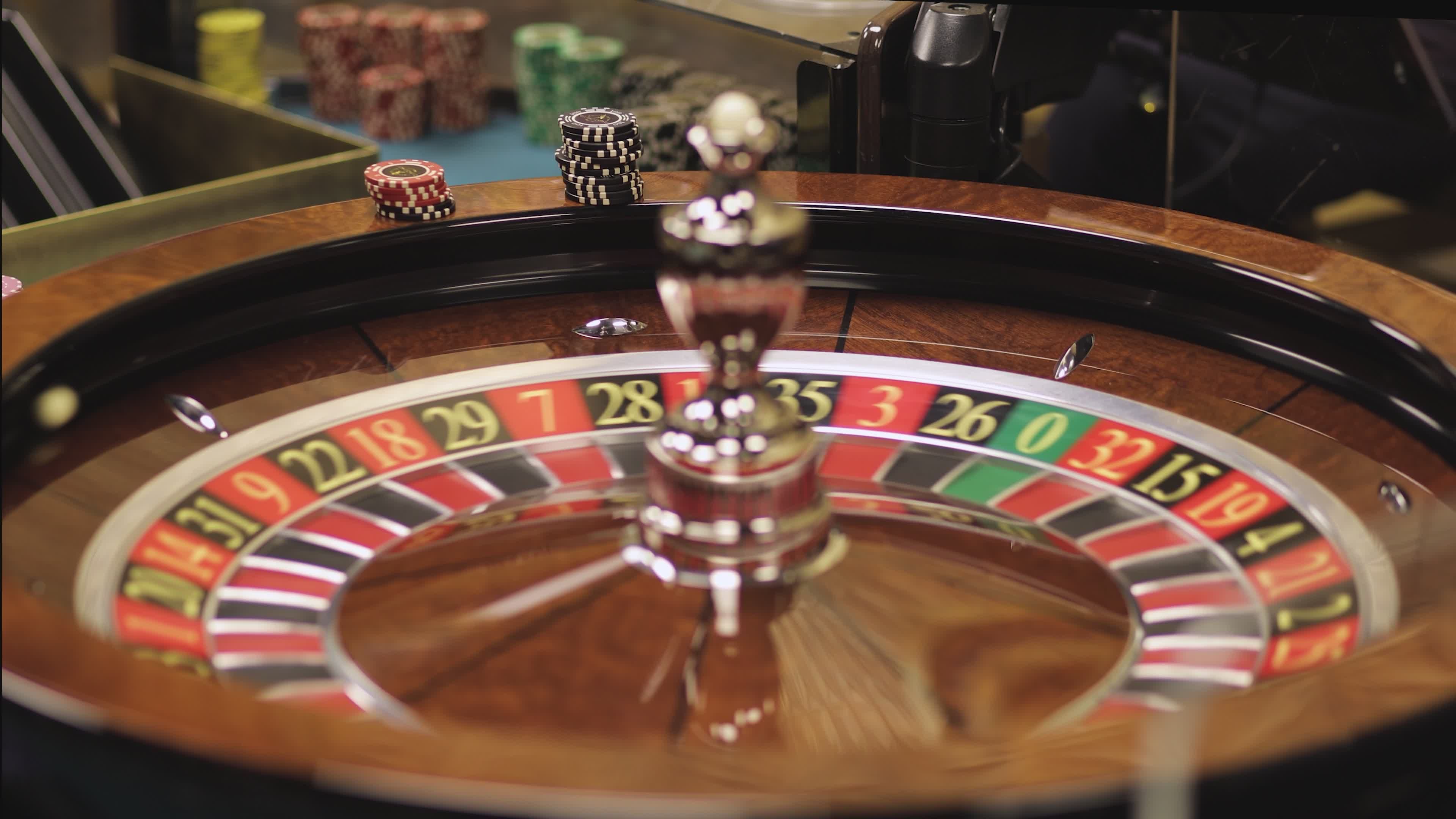
Roulette is a game of pure chance, but smart bet selection and bankroll management can stretch your play and improve your experience. Know your odds first.
European vs American Wheels
The single most important roulette decision happens before you place a chip: which wheel you play. The European wheel has a single zero and a house edge of 2.7%. The American wheel adds a double zero, nearly doubling the house edge to 5.26%.
Whenever both are available, always choose European (or French) roulette. Over hundreds of spins that difference has a real impact on how long your bankroll lasts.
Inside vs Outside Bets
Roulette bets fall into two families. Inside bets are placed on specific numbers and pay big (up to 35 to 1 on a single number) but hit rarely. Outside bets cover large groups — red/black, odd/even, high/low — and pay even money but win close to half the time.
- Straight up (single number): pays 35:1, ~2.7% chance.
- Split (two numbers): pays 17:1.
- Red/Black, Odd/Even, 1–18/19–36: pays 1:1, best odds for beginners.
- Dozens and Columns: pays 2:1, covering 12 numbers each.
The Truth About Betting Systems
Systems like the Martingale (doubling after every loss) or Fibonacci feel logical, but none of them change the underlying odds. A losing streak combined with table limits can wipe out a bankroll quickly, and the wheel has no memory — every spin is independent.
Treat systems as a way to structure your session for fun, never as a guaranteed path to profit. The house edge is fixed no matter how you sequence your bets.
Sensible Bankroll Play
Because roulette is a game of chance, your best tool is discipline. Decide in advance how much you are willing to lose, split it into smaller session bets, and walk away when you hit your limit — win or lose. Betting mostly on outside chances stretches your play time and keeps the swings gentle.